Top 5 Features to Look for When Buying Trail Shoes
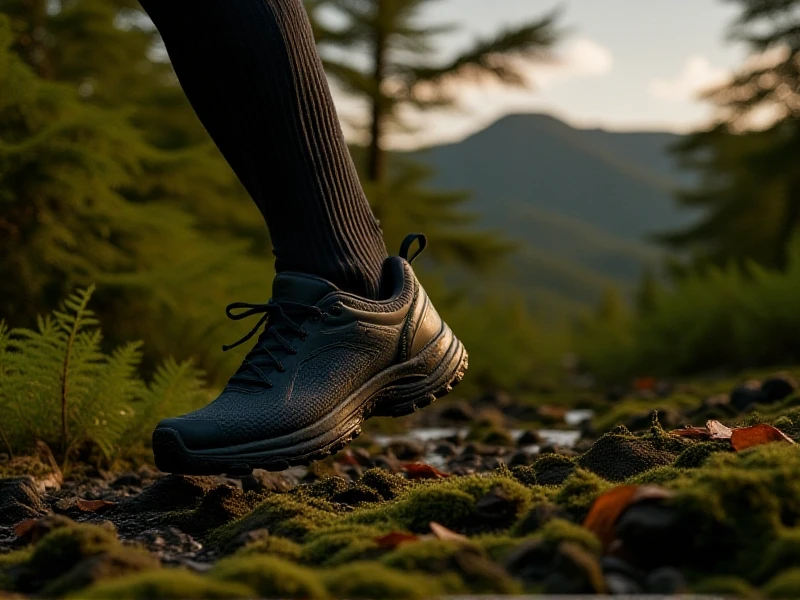
Okay, here is an SEO optimized article focusing on "Trail Shoes", crafted naturally and aiming to provide genuine value:
Choosing the right footwear for off-road adventures makes all the difference. Trail shoes are specifically engineered to handle the unique demands of uneven terrain, moving beyond standard running shoes. If you're planning hikes, trail runs, or exploring nature paths, investing in dedicated trail shoes is crucial for performance, safety, and enjoyment.
But with so many options, what sets great trail shoes apart? Here are the top 5 features you absolutely need:
-
Aggressive, Grippy Outsoles: This is paramount. Look for shoes using specialized sticky rubber compounds (like Vibram Megagrip or proprietary brand equivalents) designed for maximum traction on varied surfaces. Deep, multi-directional lugs are essential. They dig into soft dirt, mud, and loose gravel while also providing stability on wet rocks and roots. A pronounced lug pattern ensures you maintain grip on ascents and descents.
-
Durable, Protective Uppers: Trails introduce hazards like branches, rocks, and abrasive surfaces. Trail shoe uppers are typically made from tougher, often reinforced synthetic mesh or knit materials. Look for features like welded overlays for structure and abrasion resistance, as well as toe bumpers – a reinforced cap protecting your toes from impact with rocks or roots. Some models also feature rock plates embedded in the midsole for puncture protection underfoot.
-
Secure Foot-Hold & Stability Features: Uneven ground requires your foot to stay locked in place to prevent rolling and blisters. Trail shoes often have:
- Secure Lacing Systems: Wider or ghillie lacing provides a more customizable fit.
- Heel Counters: Firm yet comfortable heel cups stabilize the rear foot.
- Midsole Sidewalls: Engineered foams often extend slightly up the sides ('sidewalls' or 'cradles') to provide support on off-camber sections.
-
Responsive & Protective Cushioning: The right balance is key. You need enough cushioning to absorb impacts from rocks and rough ground, protecting your feet and joints over miles. However, overly soft cushioning can feel unstable. Trail shoes often use slightly firmer, more responsive midsole foams than road shoes, providing a stable platform without sacrificing comfort. The thickness ('stack height') varies based on preference (lower for feel, higher for protection).
-
Fit and Comfort: This is fundamental. Try trail shoes on later in the day when feet are naturally slightly swollen. Ensure a snug (not tight) fit with enough room in the toe box to wiggle toes, especially as feet can swell during activity. Consider the sock thickness you typically wear. Different brands and models have unique fits – prioritize your foot shape and feel. Comfort over miles is non-negotiable.
Finding the perfect pair of trail shoes involves matching these key features to your specific activities and terrain. Prioritize grip and protection first, then ensure stability and a comfortable fit. The right trail shoes won't just protect your feet; they'll empower you to tackle trails with confidence and embrace the great outdoors in total comfort. Visit your local outdoor retailer to find the model that best propels you forward.