The Ultimate Guide to Choosing Your Perfect Running Shoes
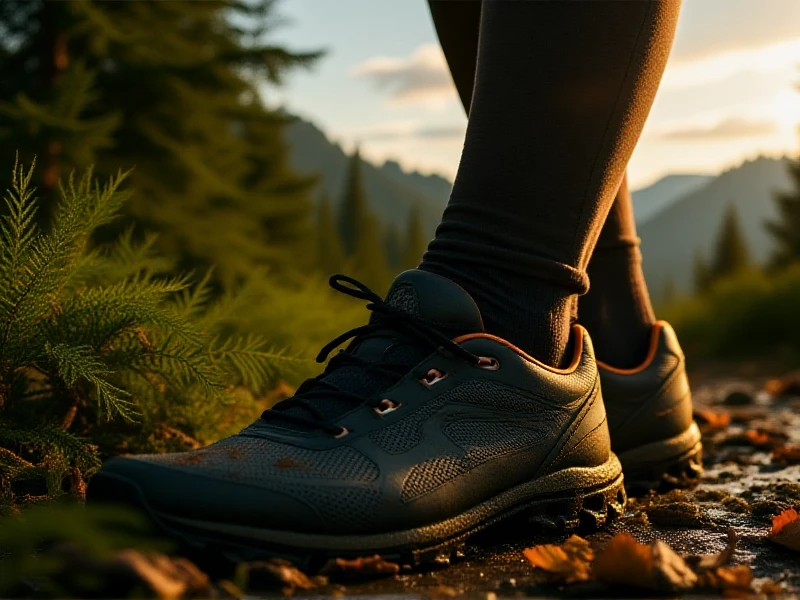
Finding the ideal pair of running shoes is paramount for both comfort and injury prevention. Whether you're tackling your first 5k or training for a marathon, the right footwear makes a significant difference. With countless options available, understanding key factors ensures you invest wisely in your running journey.
Why the Right Running Shoe Matters: Properly fitting running shoes absorb impact, provide stability, and enhance propulsion. Ill-fitting or inappropriate shoes can lead to blisters, shin splints, plantar fasciitis, knee pain, and other common running injuries. The correct pair supports your unique biomechanics, foot shape (arch type), and running style.
Types of Running Shoes: Primarily categorized by support and cushioning:
- Neutral Cushioning: Designed for runners with efficient biomechanics needing ample shock absorption, particularly high-arched feet. Offers maximum cushioning without pronation control.
- Stability: Ideal for mild to moderate overpronators. These provide moderate arch support and structured cushioning to guide the foot into a neutral position.
- Motion Control: For severe overpronators or runners with flat feet. The firmest support level to markedly limit inward rolling.
- Racing/Performance: Lightweight, minimalist footwear focused on speed.
- Trail: Feature aggressive tread for off-road grip and often extra protection.
Key Considerations When Buying Running Shoes:
- Foot Type & Gait Analysis: Understand your arch type (high, neutral, low/flat) and pronation pattern (neutral, overpronation, underpronation/supination). Specialist running stores often offer gait analysis on a treadmill. Most runners need stability or neutral shoes.
- Running Surface: Road running shoes differ significantly from trail models. Match the shoe to your primary terrain.
- Mileage & Goals: Casual joggers have different needs than high-mileage marathon trainers requiring durable midsoles.
- Size & Fit: Always get fitted later in the day when feet swell. Ensure a thumb's width of space between your longest toe and the shoe end. The heel should fit snugly without slipping. Wiggle room for toes is essential.
- Cushioning vs. Response: Decide preference for plush softness or a firmer, faster ground feel. Technologies like air, gel, and various foam densities offer different sensations.
Trying Them Out: Never buy running shoes based purely on reviews or looks. Try several models that match your needs. Run or jog around the shop, ideally on a treadmill if available. Pay close attention to comfort immediately – shoes rarely become more comfortable over time. Replace running shoes approximately every 300-600 miles, as cushioning and support deteriorate.
Investing time in finding your perfect pair of running shoes is essential. By focusing on support, fit, and purpose, every stride becomes more enjoyable and less strenuous. Your body – especially your feet and knees – will thank you mile after mile.