The Key Features to Look for in Outdoor Shoes
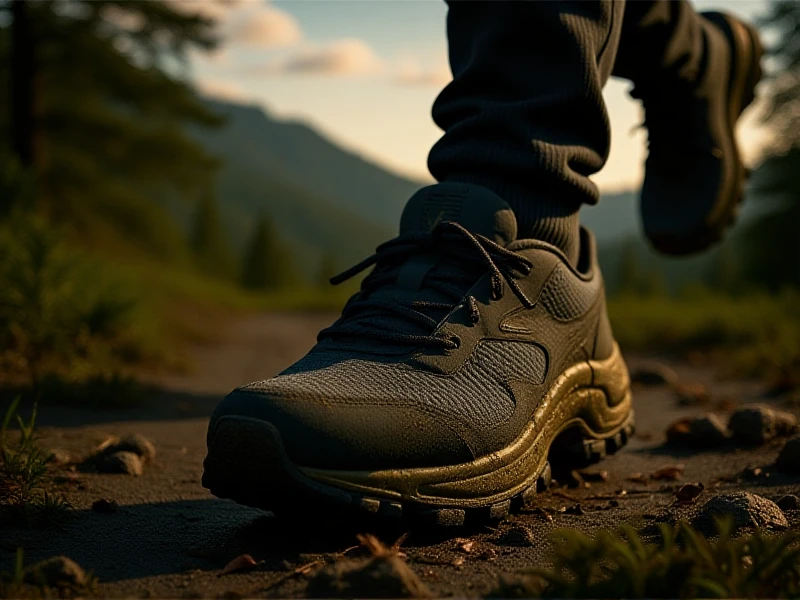
Here's an SEO-optimized article on "Outdoor Shoes":
Whether you're tackling rugged trails, navigating wet terrain, or simply enjoying a walk in the park, having the right outdoor shoes makes all the difference. Your footwear is the critical link between you and the ground, protecting your feet while enabling comfortable adventures. But with so many models available, how do you choose? Here are essential features to prioritize when selecting your perfect pair of outdoor shoes:
-
Superior Traction (Grip): This is paramount. Look for aggressive lugs (deep grooves) on the outsole, ideally made from sticky rubber compounds like Vibram. The lug pattern should be designed for multidirectional grip and effective shedding of mud and debris. Good traction prevents slips on wet rocks, loose gravel, and muddy slopes, significantly enhancing safety and confidence.
-
Waterproofing & Breathability: For unpredictable weather and wet trails, waterproof protection is often essential. Technologies like GORE-TEX, eVent, or proprietary waterproof membranes create a barrier against external moisture while allowing sweat vapor to escape (breathability). This keeps your feet dry both from rain/puddles and perspiration, preventing blisters and discomfort on longer hikes or walks. Consider activity type and climate – highly breathable, non-waterproof options work best for dry, hot conditions.
-
Support & Stability: Outdoor shoes should offer solid foot and ankle support. Look for features like:
- Secure Lacing Systems: For a precise, locked-down fit.
- Ankle Collar Padding: For cushioning and preventing debris entry.
- Stable Platform & Midsole: A well-cushioned midsole absorbs shock on uneven ground, while a supportive shank (a stiffener in the midfoot) protects your foot arch on sharp rocks ("rock plate" protection) and provides torsional stability.
- Firm Heel Counter: Cradles the heel firmly, reducing slippage inside the shoe.
-
Durability & Protection: The rugged outdoors demands durable materials. Look for scuff-resistant uppers made from leather, synthetic leather (like PU-coated fabrics), or tightly woven protective textiles. Reinforced toe caps protect against stubbing rocks or roots, while thick outsoles resist abrasion and provide underfoot protection.
-
Comfort & Fit:
- Appropriate Volume: Feet swell during activity; ensure enough room, especially in the toe box, without excessive heel slippage.
- Comfortable Insole: Good arch support and cushioning enhance comfort.
- Break-in Period: While modern outdoor shoes are often comfortable out-of-the-box, consider potential break-in time for stiffer boots.
Choosing the best outdoor shoes requires matching features to your specific activity (hiking vs. casual walking), terrain difficulty, and expected weather. Always try them on with the socks you'll wear and walk around. Investing in quality outdoor shoes translates directly to happier feet, reduced injury risk, and significantly more enjoyable experiences exploring the great outdoors. Protect your foundation and step out with confidence!