Choosing the Best Running Shoes: Your Ultimate Guide
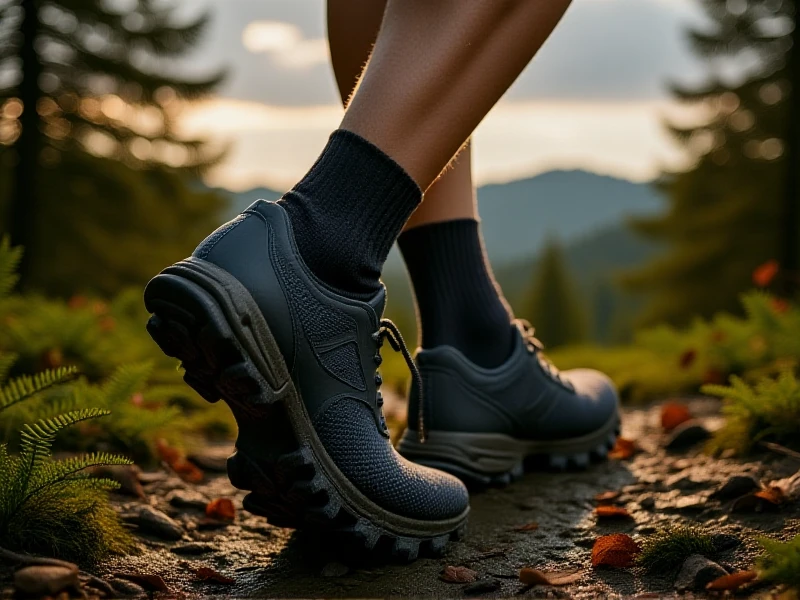
Finding the perfect pair of running shoes is crucial for comfort, performance, and injury prevention. With countless options available, understanding your needs and shoe technology helps you make an informed choice. This guide breaks down key factors to consider.
First, know your foot type and gait. Everyone's feet are unique, and how your foot strikes the ground (pronation) significantly influences the support you need. Visit a specialized running store where experts can analyze your gait pattern. Are you a neutral runner, an overpronator, or do you supinate? Understanding this determines whether stability shoes, motion control options, or neutral cushioned models are ideal.
Next, consider the running terrain and distance. Most running shoes fall into categories:
- Road Running Shoes: Designed for pavement. They prioritize cushioning, responsiveness, and lightweight construction to handle repetitive strikes on hard surfaces. Ideal for daily training, long distances, and marathons.
- Trail Running Shoes: Feature aggressive lugs for superior grip on mud, rock, and loose surfaces. They offer enhanced stability, rock plates for underfoot protection from sharp objects, and durable uppers to withstand debris. Essential for off-road adventures.
- Cross-Training Shoes: Prioritize lateral support and stability for gym workouts, not optimized for long runs.
Key shoe technologies enhance performance:
- Midsole Cushioning: Materials like EVA foam, PU foam, TPU (like Pebax), or proprietary blends (e.g., Nike React, Adidas Boost) absorb shock and return energy, reducing fatigue and impact on joints. Firmer foams offer stability, softer ones maximum cushion.
- Support & Stability: Features like medial posts (denser foam) or guide rails help control excess inward rolling (overpronation).
- Upper Construction: Engineered mesh offers breathability and flexibility, adapting to your foot shape. Secure overlays provide lockdown without pressure points.
- Outsole Durability: High-wear rubber compounds like carbon rubber on the heel ensure longevity.
Choosing Your Perfect Fit:
- Get Fitted Professionally: Especially for your first proper pair. Bring your current shoes. An expert assessment is invaluable.
- Try Later in the Day: Feet swell during activity. Mimic run conditions.
- Shoe Sizing: Ensure a thumbnail's width (about 0.5 inches) between your longest toe and the end of the shoe. Width should feel snug but not tight; no side slippage. Wiggle room for toes is essential.
- Test Run: If possible, jog in the store or ensure a solid return policy. Your body often knows immediately if something feels wrong.
- Replace Regularly: Running shoes typically last 300-500 miles. Cushioning degrades over time, losing protection.
Investing time in selecting the right running shoes tailored to your foot, gait, and running habits is essential for enjoyment and longevity in the sport. Proper footwear enhances your stride, reduces injury risk, and makes every run more rewarding. Visit a reputable running store and take the first step towards better running today.