Unlock Peak Performance: Your Expert Guide to Choosing Trail Shoes
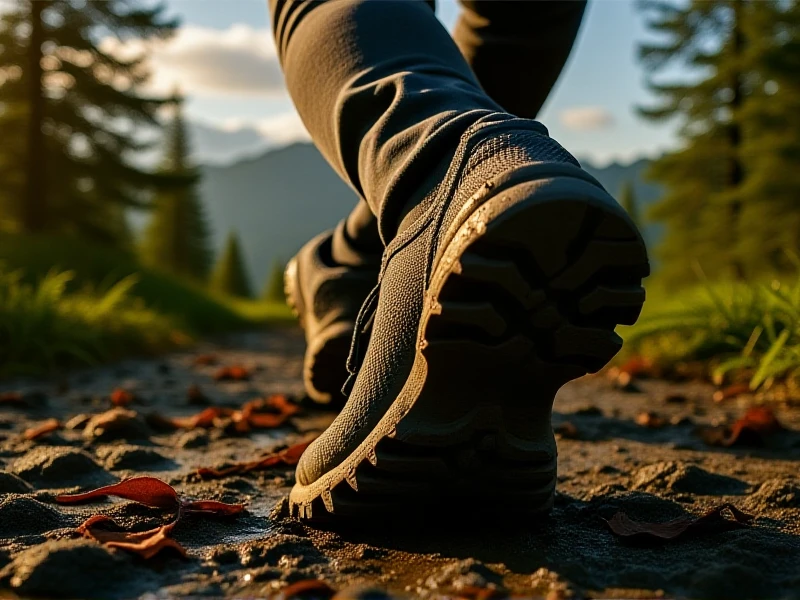
Discovering the right trail shoes transforms rugged paths into thrilling adventures. Unlike standard running sneakers, these specialized footwear solutions are engineered for off-road mastery, blending grip, durability, and protection. Whether tackling rocky ascents, muddy forests, or loose gravel, the perfect pair becomes your trusted trail companion.
Why Trail Shoes? The Core Advantages
Trail-specific outsoles feature aggressive lug patterns, biting into unstable terrain to prevent slips. Deep grooves expel mud and debris, maintaining traction where regular shoes fail. Brands like Salomon, Altra, and HOKA integrate multidirectional designs for precise control during sharp turns and steep descents.
Protection is paramount. Rocks and roots demand more than soft cushioning. Protective plates (often TPU or rock shields) shield feet from impacts, while reinforced toe bumpers guard against stubs. Look for durable upper materials – ripstop mesh or synthetic overlays – that withstand abrasion without sacrificing breathability.
Fit Fundamentals: Comfort Meets Security
A snug heel counter prevents slippet blisters, while spacious toe boxes accommodate foot swelling during long hikes or runs. Consider gusseted tongues to block debris and secure midfoot lockdown with precise lacing systems. Weight matters too: ultralight models (under 250g) enhance speed, while heavier builds offer maximum cushioning for technical trails.
Water Management: Wet Trail Solutions
For rainy climates or creek crossings, water-resistant membranes (like GORE-TEX) keep feet dry but reduce breathability. Quick-drying meshes suit drier conditions, prioritizing ventilation. Always prioritize drainage ports if frequent water exposure is expected.
Traction Tech: Matching Lug Depth to Terrain
- Low-profile lugs (3-4mm): Ideal for hard-packed trails, offering speed and flexibility
- Moderate lugs (5mm): Versatile for mixed terrain
- Deep, spaced lugs (6mm ): Essential for mud, snow, or loose scree
Sustainability Strides
Eco-conscious brands now integrate recycled plastics (like Parley Ocean Plastic) and natural rubber compounds. Check labels for Bluesign® or eco-friendly certifications if minimizing environmental impact is a priority.
Final Fitting Tips
Always test shoes with hiking socks and simulate downhill pressure. Your big toe needs a thumbnail’s space from the front. Visit specialized outdoor retailers for gait analysis and expert advice. Remember: superior trail shoes blend security, endurance, and terrain responsiveness – your foundation for conquering nature's unpredictable canvas. Ready to tackle the path? Your next adventure awaits.