Finding the Perfect Running Shoes: Your Guide to Comfort and Performance
Ever felt that familiar sting of blisters or a nagging joint ache after a run? The culprit could often be the most fundamental piece of gear: your running shoes. Finding the ideal pair isn't just about style; it's the cornerstone of injury prevention, comfort, and unlocking your peak running potential. Understanding the different types and features of running shoes is crucial for every runner, whether you're hitting the pavement for the first time or training for your tenth marathon.
Why the Right Running Shoes Matter
Running shoes offer specialized support and protection that regular sneakers simply can't provide. They help absorb the impact forces generated with each stride – forces that can travel up through your knees and hips. Adequate cushioning protects joints, while proper stability features guide your foot through its natural motion, preventing excessive rolling that leads to common overuse injuries. Choosing the wrong type can leave you sidelined.
Key Types of Running Shoes
Not all running shoes are created equal. Your ideal pair depends heavily on your running mechanics and the terrain:
- Neutral Running Shoes: Designed for runners with a neutral gait, meaning your foot rolls naturally inward (pronates) just the right amount. They generally offer cushioning without corrective elements.
- Stability Running Shoes: Built for runners who moderately overpronate (their foot rolls inward too much). They incorporate features like firmer midsoles (often called medial posts) or guides to help control excessive inward motion.
- Motion Control Shoes: Offer maximum support for severe overpronators. They are typically the most rigid and durable, providing significant structure to control foot movement.
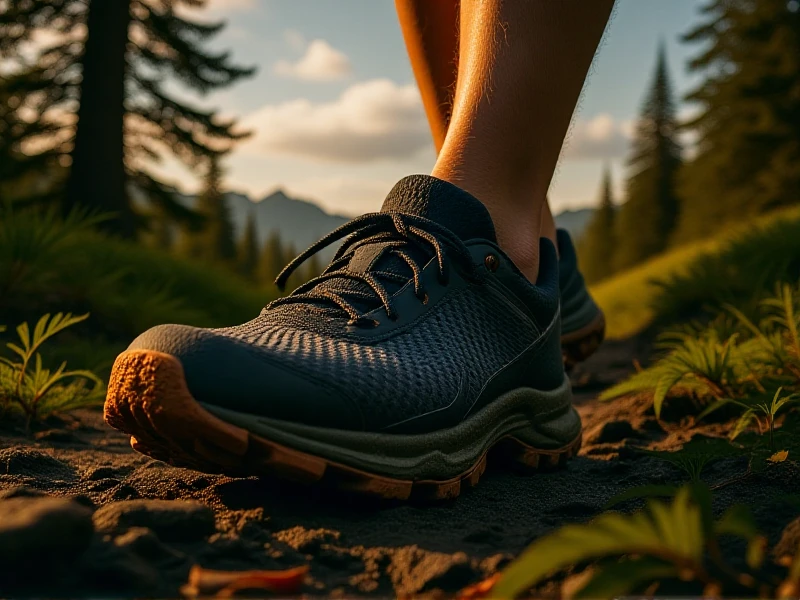
- Trail Running Shoes: Feature aggressive tread patterns for superior grip on dirt, mud, rocks, and roots. Often have added protection like rock plates and reinforced uppers. Essential for off-road adventures!
- Minimalist/Barefoot Running Shoes: Offer a natural "feel of the ground" experience with minimal cushioning and heel-to-toe drop. Transitioning to these requires caution and often specific form changes.
Essential Features to Consider
When hunting for running shoes, focus on these core components:
- Cushioning: Level of shock absorption. Preferences range from highly cushioned ("maximalist") to minimal. Impact protection and comfort are key.
- Fit: Hands down the most important factor! There should be ample space (about a thumbnail's width) in front of your longest toe. Heel slippage or toe pinching are major red flags.
- Support/Stability Features: Necessary if you pronate excessively. Look for medial posts, dual-density midsoles, or structured guidance systems specific to stability or motion control models.
- Drop (Heel-to-Toe Offset): The height difference between the heel and forefoot. Higher drops (8-12mm) are common; lower drops (0-6mm) encourage a more midfoot strike. Choose based on comfort and familiarity.
- Upper Material: Should be durable, breathable, and securely hold your foot without pressure points. Mesh is typically lightweight and cool.
- Outsole Durability & Traction: Rubber compounds and tread patterns designed for pavement are different than those needed for muddy trails.
Finding Your Perfect Pair
Visiting a dedicated running store for a gait analysis by professionals is the gold standard. They can observe your stride, foot strike pattern, and degree of pronation to recommend specific types and models. Always try on both shoes, with the socks you plan to run in, and do a test jog around the store. Trust your feet – the most comfortable pair from the start is usually the best sign.
Maintenance & Replacement
Running shoes have a lifespan. Aim to replace them every 300-500 miles, depending on your weight, running style, and terrain. Signs it's time: visible midsole compression wrinkling, worn-out tread, loss of cushioning feeling, or new aches and pains.
Investing time in finding your perfect running shoes is an investment in your running future. Comfortable, supportive shoes help you run further, faster, and more consistently while keeping you injury-free. Lace up confidently and hit your stride!
Key Takeaways:
- Running shoes are critical for injury prevention and performance.
- Match the shoe type (neutral, stability, motion control, trail) to your gait and running surface.
- Fit is paramount. Prioritize comfort and ample toe space.
- Consult a running store for expert gait analysis.
- Replace worn-out running shoes regularly (300-500 miles).