The Ultimate Guide to Picking Your Perfect Pair of Trail Shoes
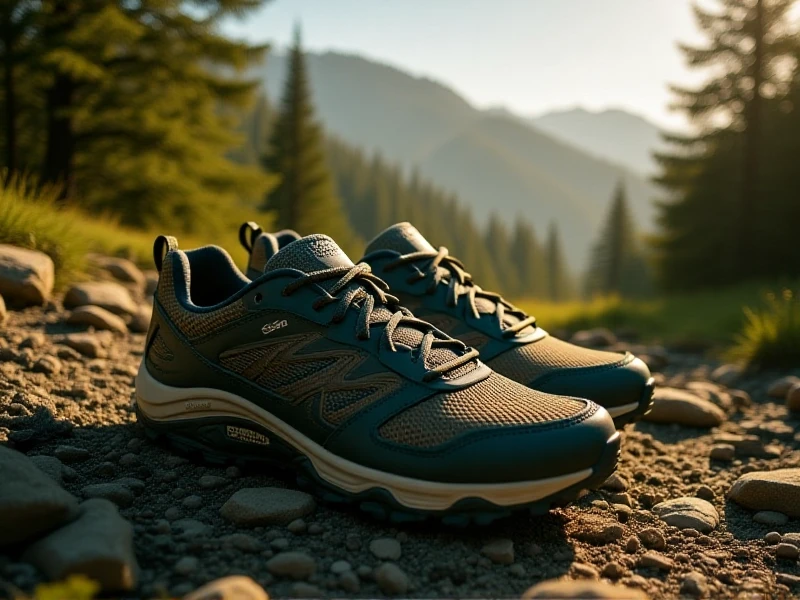
Here is an SEO-optimized article focusing on the keyword "Trail Shoes":
Hitting the trails is an exhilarating escape from the pavement, but your regular running shoes won't cut it. Trail shoes are specifically engineered for the unpredictable terrain encountered off-road, providing essential features to keep you stable, protected, and moving forward confidently. Here's what sets them apart and how to find your ideal pair.
The defining characteristic of the best trail shoes is aggressive outsoles. Deep, multi-directional lugs provide critical grip on loose soil, mud, gravel, wet rocks, and slippery roots. This traction prevents slips and allows powerful push-offs on varied inclines. Look for sticky rubber compounds that enhance adhesion on wet rock surfaces.
Often overlooked but vital for trail adventures is underfoot protection. Trails hide sharp rocks and roots. Quality trail shoes incorporate rock plates – thin, flexible shields embedded between the midsole and outsole – to shield your feet from bruising impacts on uneven ground. This protection allows you to run freely without constantly scanning every step.
Uneven paths demand exceptional stability. Trail shoes typically feature a lower profile and a wider base for better ground contact than traditional road shoes. Enhanced cushioning often runs the perimeter of the midsole, and secure, padded heel collars lock your foot firmly in place to prevent rolling ankles when navigating off-camber sections.
Supporting the upper construction is crucial. Trail shoe uppers utilize tough yet breathable materials resistant to abrasion from rocks and brush. Tighter mesh patterns minimize debris intake, while features like gusseted tongues or fully welded constructions help keep out dirt and small pebbles that can cause discomfort. Toe bumpers add protection from inevitable impacts with trail obstacles.
Durability is paramount. Trail environments are harsh. Look for reinforced uppers, robust stitching, and durable outsoles designed to withstand repeated encounters with rocks, mud, and water far beyond the lifespan of regular running shoes.
Finally, trail shoes face the elements. Many feature water-resistant membranes (like Gore-Tex®) for wet conditions, while others prioritize rapid drainage if you know you'll be crossing streams. Matching the shoe's weather protection to your typical running conditions is key.
Choosing Your Trail Shoes:
- Consider the Terrain: More technical, rocky trails demand more aggressive lugs and a stiffer rock plate. Softer, muddier paths benefit from deeper, widely spaced lugs.
- Fit is King: Ensure a snug but comfortable fit, especially over the instep and heel, with ample toe room for downhill running. Try them on with the socks you plan to wear.
- Cushion Level: Personal preference reigns. Some prefer minimal ground feel for technical trails, while others favor max cushion for longer distance comfort.
- Water Management: Decide between waterproofing (slower drying, warmer) versus quick-draining shoes (lighter, cooler).
Investing in the right trail shoes transforms your off-road running, providing the grip, protection, and confidence needed to tackle the wilder paths safely and efficiently. Get fitted properly at a specialty store, consider your local trails and weather, and discover how the right technical support enhances every step of your adventure. Your feet (and enjoyment!) will thank you. Find your perfect trail companion today!